
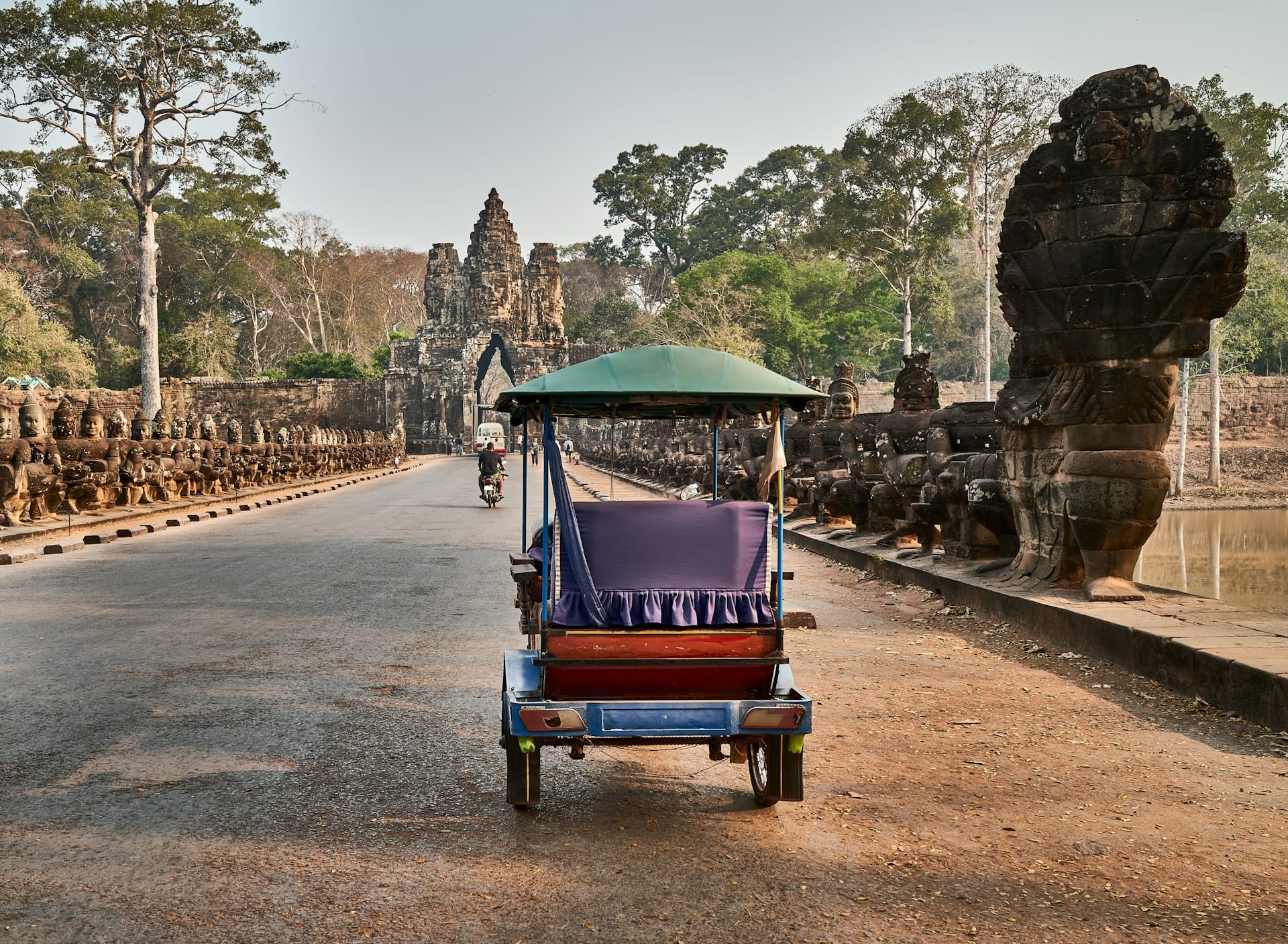
Planning a trip to Siem Reap, Cambodia? You’re about to embark on a journey to one of Southeast Asia’s most captivating destinations—home to the awe-inspiring Angkor Wat, a UNESCO World Heritage Site, and a vibrant cultural hub nestled along the banks of the Siem Reap River. But to truly make the most of your visit, timing is everything.
With three distinct seasons, fluctuating tourist numbers, and a calendar packed with colorful festivals, choosing the best time to visit Siem Reap can dramatically affect your experience. Whether you’re dreaming of a sunrise over Angkor Wat, exploring jungle-clad temples in solitude, or dancing through a Cambodian festival, this comprehensive, SEO-friendly guide will help you pick the ideal moment to visit—based on weather conditions, crowd levels, and local celebrations.
Why the Timing of Your Trip Matters
Siem Reap isn’t just a stopover for temple tours—it’s a destination that blends ancient history, spiritual traditions, and modern charm. The city buzzes with energy year-round, but your experience will vary greatly depending on when you go. Consider these key factors:
- Weather: Will you be sweating in 40°C heat or enjoying a refreshing tropical shower?
- Crowds: Do you want to beat the rush at Angkor Wat or join the festive throngs?
- Festivals: Would you love to witness traditional dance, lantern-lit skies, or Buddhist rituals?
- Pricing: Are you traveling on a budget and looking for off-season deals?
Let’s break down Siem Reap’s annual calendar to help you plan the perfect trip.
Siem Reap’s Climate: A Year-Round Tropical Paradise
Siem Reap enjoys a tropical savanna climate with three main seasons:
- Cool & Dry Season (November – February)
- Hot & Dry Season (March – May)
- Rainy (Wet) Season (June – October)
Each offers unique advantages and challenges. Let’s explore them in detail.
1. Cool & Dry Season: November to February – The Ideal Time to Visit
Best For: First-time visitors, photographers, families, and those seeking comfort
If you’re asking, “When is the best time to visit Siem Reap?”—November to February is the answer for most travelers.
✅ Advantages:
- Pleasant temperatures (21°C–32°C / 70°F–90°F)
- Low humidity and minimal rainfall
- Clear skies perfect for sunrise photography at Angkor Wat
- Lush landscapes (thanks to recent rains)
- Peak season for tourism, so all attractions and tours are fully operational
🌅 Why It’s Perfect for Temple Exploration:
- Comfortable walking conditions during early mornings and late afternoons
- Dry ground means no muddy paths at jungle temples like Ta Prohm
- Ideal for biking, walking tours, and long days at Angkor Archaeological Park
🎉 Key Festivals:
- Water Festival (Bon Om Touk) – Usually in November
A spectacular 3-day celebration marking the reversal of the Tonle Sap River. Expect boat races, illuminated floats, fireworks, and riverside festivities in Phnom Penh and Siem Reap. - King’s Birthday (May 13–15) – Celebrated nationwide with parades and lights (though outside this season, it’s worth noting for future planning)
⚠️ Downsides:
- Highest tourist numbers—especially during December and January holidays
- Higher prices for hotels and tours
- Sunrise spots at Angkor Wat fill up fast—arrive by 5:00 AM
Verdict: This is the most popular and recommended time to visit Siem Reap. If you want comfort, great weather, and full access to all experiences, book early and expect crowds.
2. Hot & Dry Season: March to May – For the Adventurous Traveler
Best For: Budget travelers, photographers who love golden light, and those who don’t mind the heat
As temperatures climb, tourist numbers drop—making March to May a strategic time for savvy travelers.
✅ Advantages:
- Fewer crowds at major temples—Angkor Wat feels more personal
- Lower accommodation prices—up to 30–50% off peak rates
- Clear skies and intense sunlight—great for dramatic, high-contrast photography
- Fruit season—mangoes, rambutans, and dragon fruit are in abundance
☀️ Weather Conditions:
- Daytime temperatures: 35°C–40°C (95°F–104°F)
- Low humidity early in the season, but rising by May
- Minimal rain, but heat exhaustion is a real risk
🧭 Pro Tips for Visiting in the Heat:
- Start early—be at Angkor Wat by 5:00 AM to catch sunrise and avoid midday heat
- Take a long lunch break (11:00 AM–2:00 PM) and return to temples in the late afternoon
- Stay hydrated—carry at least 2 liters of water per person
- Wear breathable clothing, a wide-brimmed hat, and sunscreen
📸 Photography Perks:
- The golden hour light is longer and more intense, creating stunning silhouettes and reflections
- Fewer tourists mean unobstructed views and better photo angles
Verdict: If you can handle the heat, March and April offer a budget-friendly, less crowded alternative to peak season—with the trade-off of extreme temperatures.
3. Rainy (Wet) Season: June to October – The Secret Season for Nature Lovers
Best For: Photographers, adventurers, couples, and eco-tourists
Often overlooked, the rainy season is actually one of Siem Reap’s best-kept secrets. While the name suggests constant downpours, the reality is far more pleasant.
✅ Advantages:
- Lush, green landscapes—the jungle around Angkor temples is at its most vibrant
- Dramatic cloudscapes and reflections—especially at Angkor Wat’s moat
- Lowest tourist numbers—you’ll often have temples like Banteay Srei or Ta Som to yourself
- Biggest discounts on hotels, spas, and tours
- Fewer touts and street vendors—a more relaxed city vibe
🌧️ What to Expect:
- Short, intense afternoon showers (usually 30–60 minutes)
- Mornings are typically clear and sunny
- High humidity, but frequent breezes
- Mosquitoes increase—pack repellent and consider malaria precautions if traveling to rural areas
🌊 Unique Experiences in the Rainy Season:
- Flooded moats create mirror reflections of Angkor Wat—photographers’ dream
- Tonle Sap Lake expands, allowing boat tours to flooded forests and floating villages
- Waterfalls at Kulen Mountain are at their most powerful
- Rice fields turn emerald green—perfect for countryside biking
🚫 Minor Drawbacks:
- Some dirt roads to remote temples (like Beng Mealea) may become impassable
- Occasional temple closures due to flooding (rare)
- Evening plans may be interrupted by sudden storms
Pro Tip: Bring a light rain jacket or poncho and waterproof phone case. Most showers pass quickly, leaving behind cooler air and stunning skies.
Verdict: The rainy season is underrated. For travelers seeking authenticity, solitude, and natural beauty, July to September is a magical time to visit.
Siem Reap Festival Calendar: When Culture Comes Alive
One of the most rewarding aspects of visiting Siem Reap is experiencing its rich cultural calendar. Festivals blend Buddhist traditions, Khmer heritage, and joyful community spirit—many centered around the full moon.
Here are the top festivals to plan your trip around:
1. Pchum Ben (Ancestors’ Festival) – September/October
- A 15-day Buddhist holiday where Cambodians honor their ancestors
- Temples fill with offerings of food, incense, and flowers
- Wat Athvea and Wat Preah Enkosei in Siem Reap are especially vibrant
- Expect increased local travel, but a deeply spiritual atmosphere
2. Kathina Festival – October/November
- Marks the end of Buddhist Lent
- Monks receive new robes in colorful ceremonies
- Many temples host lantern displays, dance performances, and alms-giving
3. Water Festival (Bon Om Touk) – November
- Celebrates the reversal of the Tonle Sap River
- Boat races on the Siem Reap River with dozens of longboats
- Lanterns float on water, fireworks light the sky
- One of Cambodia’s most exciting public events
4. Khmer New Year (Choul Chnam Thmey) – Mid-April
- Celebrated for 3 days (April 13–15)
- Families clean homes, visit temples, play traditional games
- Street parties, water fights (like Songkran), and music in Pub Street
- A fun, lively time—but book accommodations early
5. Visakha Bochea (Buddha’s Birthday) – May
- Commemorates the birth, enlightenment, and death of Buddha
- Temples glow with candles and lanterns
- Monks chant, and devotees make offerings
- A peaceful, reflective time to visit Wat Bo or the Royal Gardens
Tip: If you want to experience a festival, book 3–6 months in advance—hotels fill up fast, and some tours sell out.
Month-by-Month Breakdown: When to Visit Siem Reap
| November | Cool, dry, clear | High | Festivals, photography, ideal conditions |
| December | Cool, dry | Very High | Holiday travelers, families |
| January | Cool, dry | Very High | First-timers, temple tours |
| February | Warm, dry | High | Last of cool season, good weather |
| March | Hot, dry | Medium | Budget travelers, fewer crowds |
| April | Very hot | Medium-High | Khmer New Year, cultural events |
| May | Hot, occasional rain | Medium | End of dry season, lower prices |
| June | Start of rains, warm | Low | Green landscapes, quiet temples |
| July | Rainy, humid | Low | Photography, nature, value travel |
| August | Rainy, humid | Low | Few tourists, lush scenery |
| September | Rainy, Pchum Ben | Medium | Spiritual travel, festivals |
| October | Rain tapers, humid | Medium | Kathina, improving weather |
Final Tips: How to Choose the Best Time for You
Still unsure when to go? Ask yourself:
- Are you a first-time visitor? → November–February (best weather, full access)
- On a budget? → June–September (lowest prices, fewer crowds)
- A photographer? → November (sunrise) or July–September (reflections)
- Want to experience culture? → April (New Year) or November (Water Festival)
- Seeking solitude? → August or September (least crowded)
Conclusion: The Best Time to Visit Siem Reap is When You’re Ready
While November to February is technically the “best” time to visit Siem Reap due to ideal weather, every season has its magic. The steamy jungles of the rainy season, the golden light of the hot season, and the festive energy of Khmer New Year all offer unique ways to connect with Cambodia’s soul.
The truth is, there’s no bad time to visit Siem Reap—only different experiences. With this guide in hand, you can choose the season that aligns with your travel style, budget, and dreams.
So whether you’re watching the sun rise over Angkor Wat, dancing in a water fight, or sitting quietly in a candlelit temple, Siem Reap will welcome you—rain or shine, crowd or calm.
Plan Your Perfect Siem Reap Getaway
📍 Best Airport: Siem Reap–Angkor International Airport (SAI)
🎟️ Angkor Pass: Buy at the official ticket office (photos required)
🏨 Where to Stay: Old Market Area, Wat Bo Road, or near Pub Street
📸 Must-Do: Sunrise at Angkor Wat, Tonle Sap boat tour, Apsara dance show
#VisitSiemReap #BestTimeToVisitSiemReap #AngkorWatTravel #CambodiaTourism #SiemReapWeather #CambodianFestivals #TravelCambodia #AngkorArchaeologicalPark #SiemReapGuide #BucketListAsia

